ESP32-CAM ESP32-CAM-MB Micro USB Development Board Review: Is It Worth the Hype?
Have you ever wanted to build a DIY security camera, a smart doorbell, or a time-lapse rig, but felt discouraged by the high price of off-the-shelf smart home gear? We’ve all been there. You look at a professional security camera, see the $100+ price tag, and then realize you can’t even customize the software.
That’s where the ESP32-CAM ESP32-CAM-MB Micro USB ESP32 Serial to WiFi ESP32 CAM Development Board CH340 5V Bluetooth review comes into play. It is a tiny, incredibly cheap board that puts the power of a camera and a web server right in the palm of your hand. But is it actually easy to use, or is it just a headache waiting to happen? Let’s dig into the details.
What is the ESP32-CAM ESP32-CAM-MB Development Board?
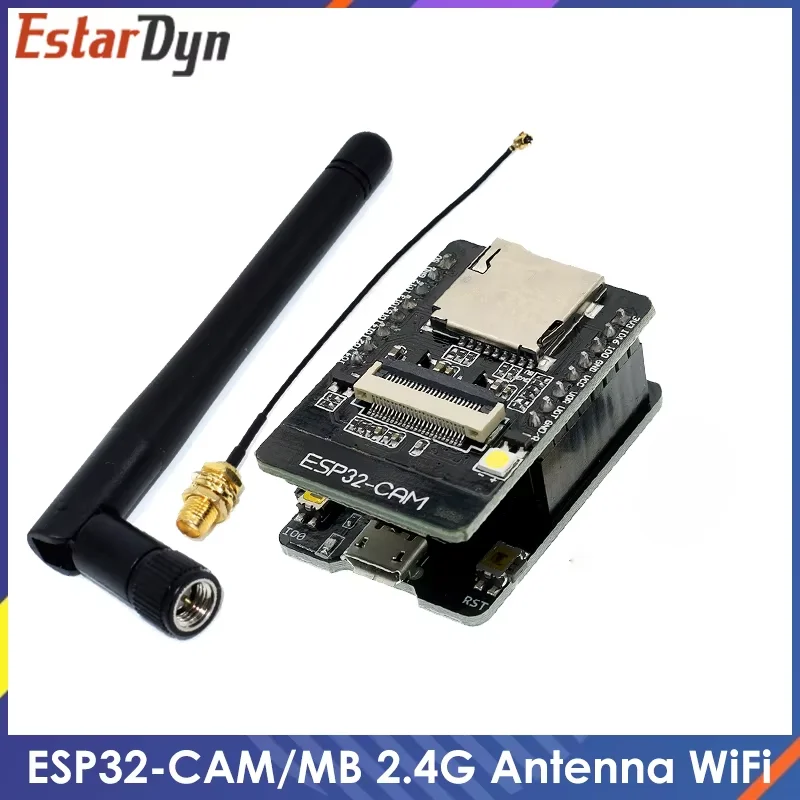
At its core, this is a microcontroller development board. It combines the famous ESP32 chip—which handles Wi-Fi and Bluetooth—with a small 2MP camera module.
The version with the "MB" (the ESP32-CAM-MB) is a big deal for beginners. Older versions of the ESP32-CAM required a separate FTDI programmer just to plug them into your computer. This version includes a built-in Micro USB interface (the CH340 chip), which means you can plug it directly into your laptop with a standard phone cable.
Because it is so budget-friendly, you can pick one up for the price of a fancy coffee. Plus, many sellers offer free shipping on these units, making it one of the lowest-cost ways to get into IoT (Internet of Things) projects.
Real-World Features: Why Does This Matter?
It’s easy to get lost in a list of technical specs, but let’s look at what these features actually do for your projects.
- Integrated Wi-Fi and Bluetooth: This is the heart of the board. It allows your camera to send images directly to your phone or a web browser over your home network. You don’t need an external router or complicated wiring.
- The 2MP Camera: Don’t expect 4K cinematic quality here. This is a basic sensor. However, it is perfect for motion detection, checking if you left the garage light on, or snapping a photo when someone walks up to your front door.
- Micro USB Uploading: This is the "quality of life" feature. Being able to use a standard Micro USB cable to upload your code makes the setup process much less frustrating than using jumper wires and external breadboards.
- Low Power Consumption: Because it’s designed for small sensors, it doesn't drain much power. You can run it off a small power bank for portable projects.
Pros and Cons: The Honest Truth
No piece of hardware is perfect. To give you an honest ESP32-CAM ESP32-CAM-MB Micro USB ESP32 Serial to WiFi ESP32 CAM Development Board CH340 5V Bluetooth review, we need to look at where it shines and where it struggles.
The Pros
- Insanely Cheap: You won’t find a cheaper way to get a Wi-Fi-enabled camera.
- Massive Community Support: Because the ESP32 is so popular, there are thousands of tutorials, pre-written code snippets, and forums dedicated to solving any problem you encounter.
- Small Footprint: It’s tiny, making it easy to hide inside a 3D-printed case or a small project box.
- Built-in Flashlight: The board includes a small LED that can act as a flash for photos or a simple light source.
The Cons
- It Runs Hot: These boards get warm. If you leave them running 24/7 in a small, enclosed space without ventilation, they can become unstable.
- Image Quality: It is not a replacement for a security camera. Low-light performance is grainy, and the frame rate isn't high enough for professional surveillance.
- Steep Learning Curve: You need to know a little bit about coding (Arduino IDE) to get the most out of it. It’s not "plug-and-play" like a Ring camera.
- Limited Pins: Once you plug in the camera, there aren't many pins left over to connect other sensors (like motion or temperature sensors).
Who is this for (and who should skip it)?
You should buy this if:
- You are a hobbyist or student looking to learn how IoT devices communicate.
- You want to build a custom project, like a "cat feeder" that snaps a photo when the cat eats.
- You are on a tight budget and want to experiment with computer vision or streaming video without spending a fortune.
You should skip this if:
- You want a "set it and forget it" security camera for your home. (Buy a dedicated security camera instead; it will be cheaper in the long run and much more reliable.)
- You have zero interest in coding or troubleshooting driver issues.
- You need high-definition, night-vision footage.
User Experiences: What Are People Saying?
To see how this board holds up in the wild, I looked at common experiences from the maker community.
- The "Hobbyist" Experience: "I bought the MB version because I was tired of messing with FTDI adapters. It made the initial setup so much faster. I had a live video stream running in my browser within 20 minutes of opening the package."
- The "Reality Check" Experience: "I tried to use this as a baby monitor. It works, but the connection drops occasionally, and the image quality isn't sharp enough to see detail in a dark room. It's a great learning tool, but I eventually bought a dedicated monitor for the peace of mind."
Final Verdict: Is It Worth the Money?
If you approach the ESP32-CAM ESP32-CAM-MB Micro USB ESP32 Serial to WiFi ESP32 CAM Development Board CH340 5V Bluetooth as a learning tool, it is a fantastic value. It is budget-friendly, the free shipping makes it an easy impulse buy, and the built-in USB makes it the most accessible version of this board on the market.
However, don't expect it to replace your professional home tech. It’s a development board, not a finished consumer product. It requires patience, a bit of coding, and a willingness to troubleshoot. If you’re ready to get your hands dirty and learn how smart devices actually work, this is one of the best ways to spend your money. Just keep your expectations realistic, and you’ll have a lot of fun with it.